

Torn Window Screen: Repair It or Replace It?
Start with the frame, not the hole
When a screen tears, most people focus on the hole. The more useful question is what shape the frame is in. The mesh is the cheap part, and the frame determines whether the screen can be saved.
Lay the screen flat and look at the corners and edges. If the frame is straight, the corners are tight and the metal isn't cracked or badly dented, the screen is usually a good candidate for repair.
When rescreening is enough
Rescreening means taking out the old mesh and the spline, the rubber cord that holds it in the frame groove, and fitting new mesh in the same frame. It works well for small and large tears alike, as long as the frame itself is sound.
It's also a good fix when the mesh is sagging, faded or brittle from years of sun, even without a visible hole. New mesh restores the tight, clear look, and it keeps the frame that already fits your window opening.
When the frame is the problem
Bent frames are common. A screen that was pried out with a screwdriver, dropped, or squeezed into an opening that was slightly off often ends up twisted. A twisted frame won't sit flush, which leaves gaps that let insects in even when the mesh is perfect.
Minor bends can sometimes be straightened and corners re-secured. If the frame is cracked, badly kinked or has failed corner joints, a custom replacement is usually the more reliable option than patching it.
Patch kits: fine for now, not for long
Adhesive patches and small repair kits can close a tiny hole for a while. They're a reasonable stopgap for a screen you plan to rescreen later. They tend to peel with heat, moisture and repeated removal, and they don't fix a sagging or sun-damaged mesh.
If you find yourself patching the same screen more than once, or the mesh tears again near the patch, the surrounding material is probably worn and it's time for new mesh.
Choosing a mesh that suits your home
Standard fiberglass mesh is the usual choice and works well for most windows. If you have pets that scratch at doors and windows, or kids who push on screens, heavier pet-resistant mesh holds up better to claws and pressure.
Solar screens are another option for windows that take direct sun. Think about which windows need what: a screen in a bedroom may only need to keep insects out, while a patio door screen takes more abuse.
Why winter is a good time to fix screens
Screens aren't doing much work between late fall and spring. Many Chicago-area homeowners take them down for the winter or swap to storm panels, which makes this a convenient time to deal with the tears you noticed in August.
Getting them repaired now means they're ready to go back up when you want fresh air in spring, rather than competing with everyone else for time once the weather turns warm. Store removed screens flat or on edge in a dry spot so the frames don't bend.
Get a free quote for your screens
EcoTouch Service repairs and replaces window and door screens. We can rescreen your existing frame with new mesh, fix bent frames, or fabricate a custom replacement on-site when a frame is beyond repair, with standard, pet-resistant and solar screen options. Screen repair and replacement starts at $25 per screen, and first-time customers get 15% off their first service.
We serve Chicago and the suburbs, from our Crystal Lake base in McHenry County to the North Shore and western suburbs. Request a free quote, and we'll give you a clear price before any work begins.
Before & After
Screen Replacement
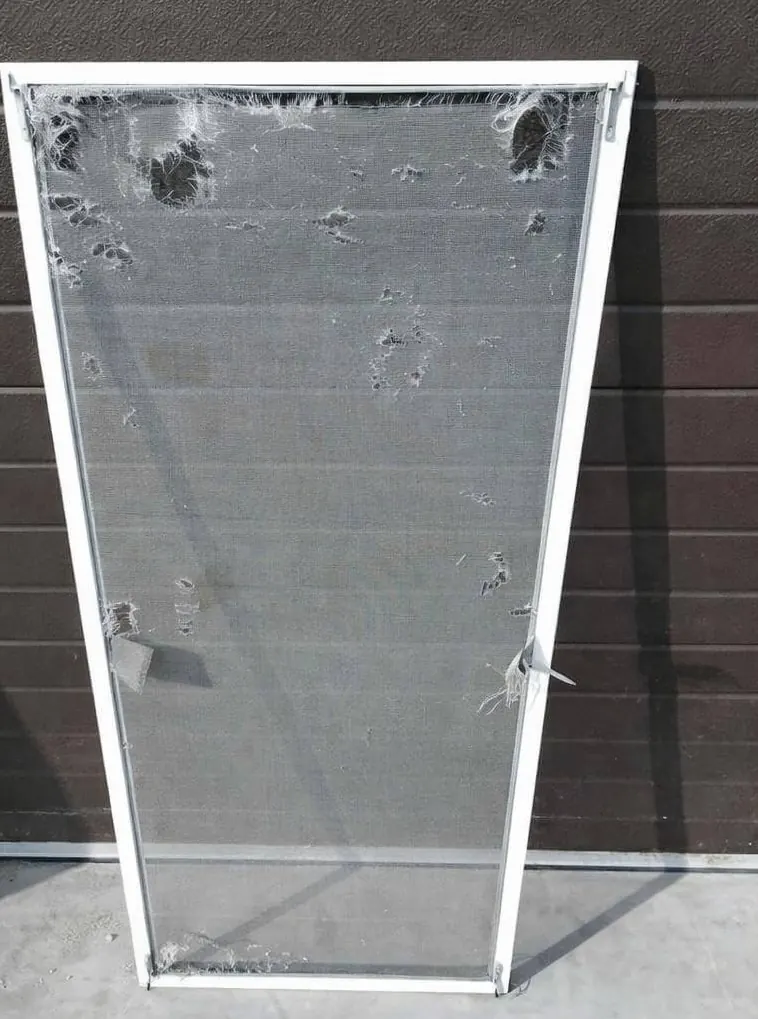 Before
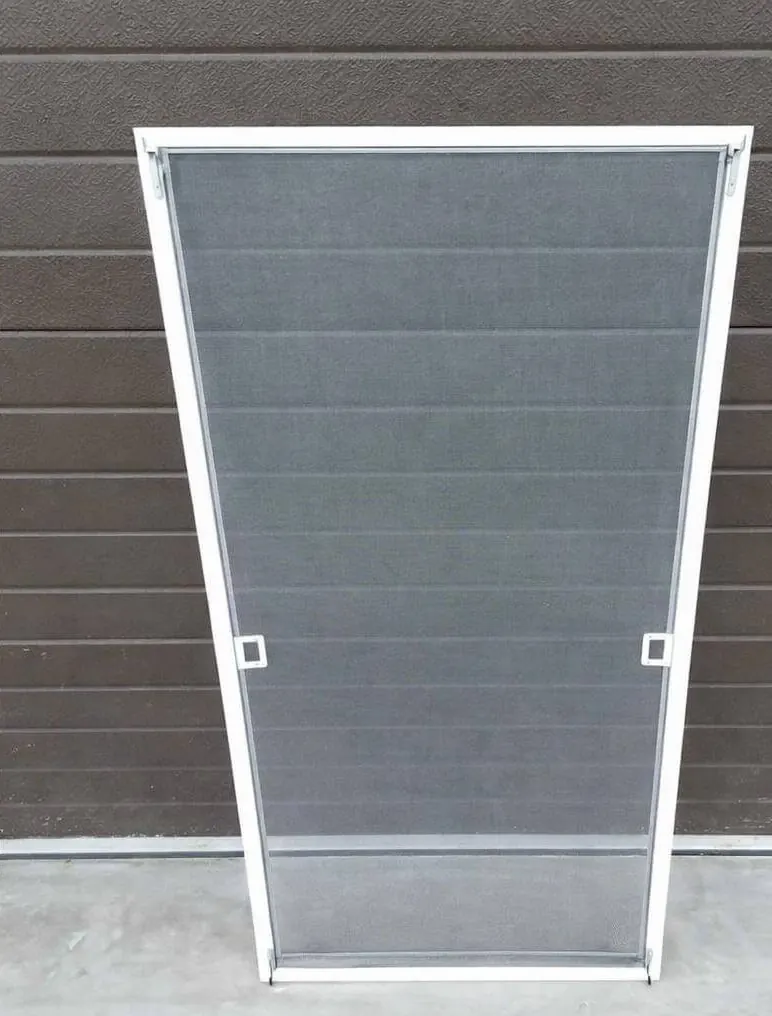 After
Screen Replacement
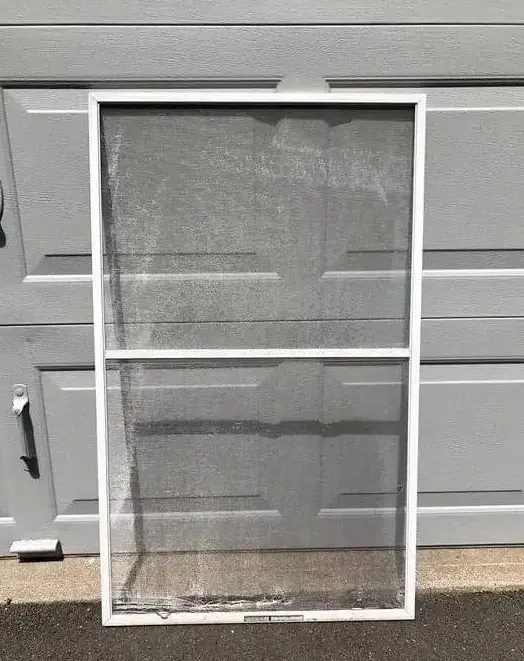 Before
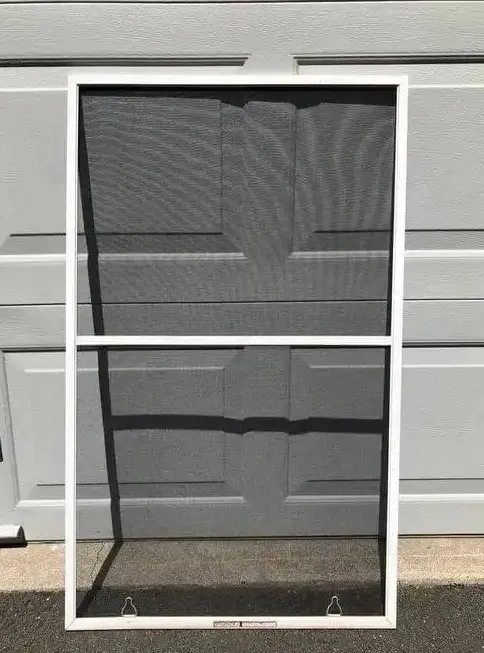 After
Need Window & Door Screen Repair & Replacement in Chicago?
We handle this exact job every week across Chicago and the surrounding suburbs. Free, no-obligation quotes.
See our Window & Door Screen Repair & Replacement service →